
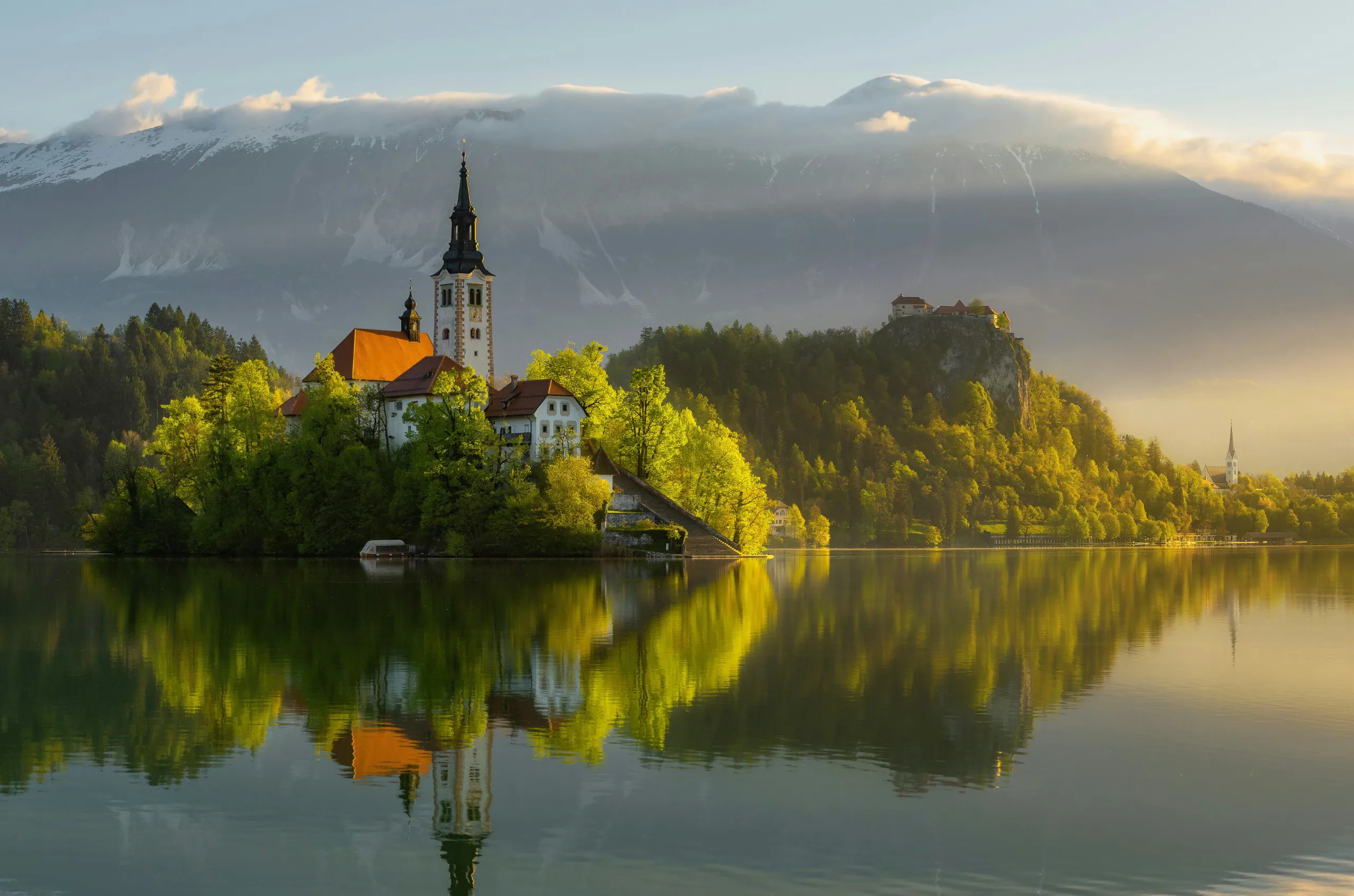
A cruise that ends in Trieste and continues into Slovenia. A wine route that runs from Piedmont into France. A cultural program that pairs Italy with Greece. These are the journeys your clients ask for, and they are the ones where coordination decides how the trip goes: transfers that connect, guides briefed the same way, one number to call if something moves.
We operate in Europe where we have people on the ground we know personally, not everywhere on the map. Where we are not the right partner, we say so before the itinerary is built.
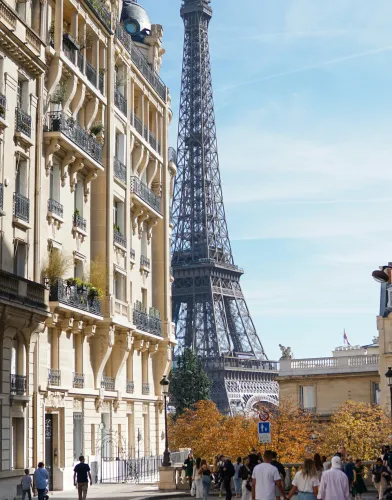
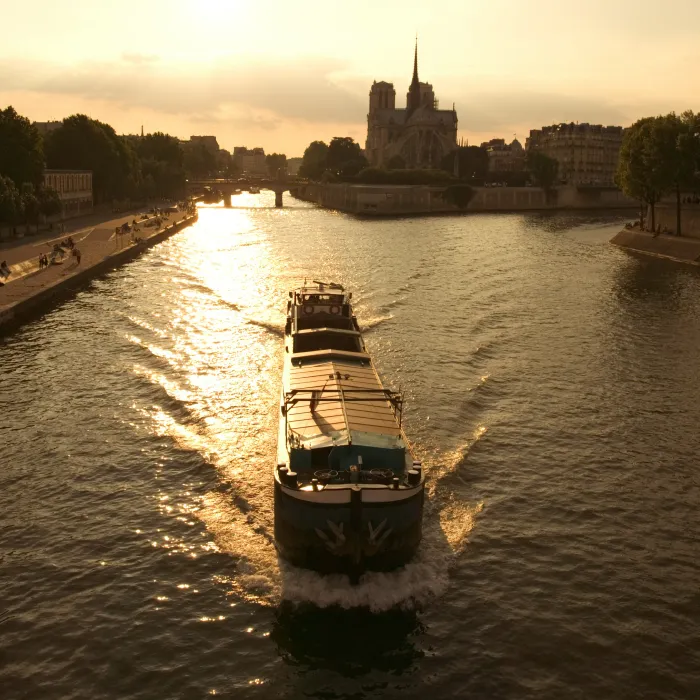
Lyon has been a city of cooks since the silk houses closed and their kitchen staff opened their own dining rooms; the bouchon is what that history left behind. A half-day drive from Piedmont, which makes a two-country wine and gastronomy itinerary practical rather than theoretical.
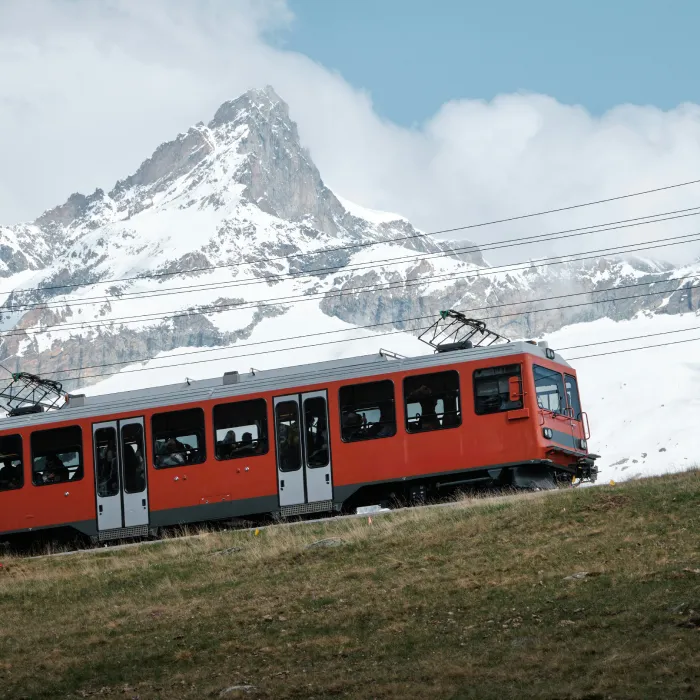
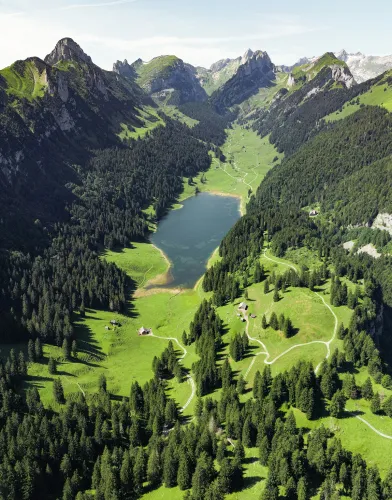
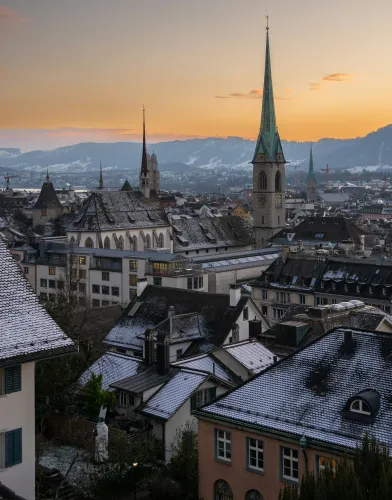
The Rhaetian Railway over the Albula and Bernina passes is a UNESCO site and one of the few rail lines that is itself the destination, climbing from vineyards to glaciers without a switchback. It departs from Tirano, on Italian soil, so the crossing fits an Italian program without a flight or a border transfer.
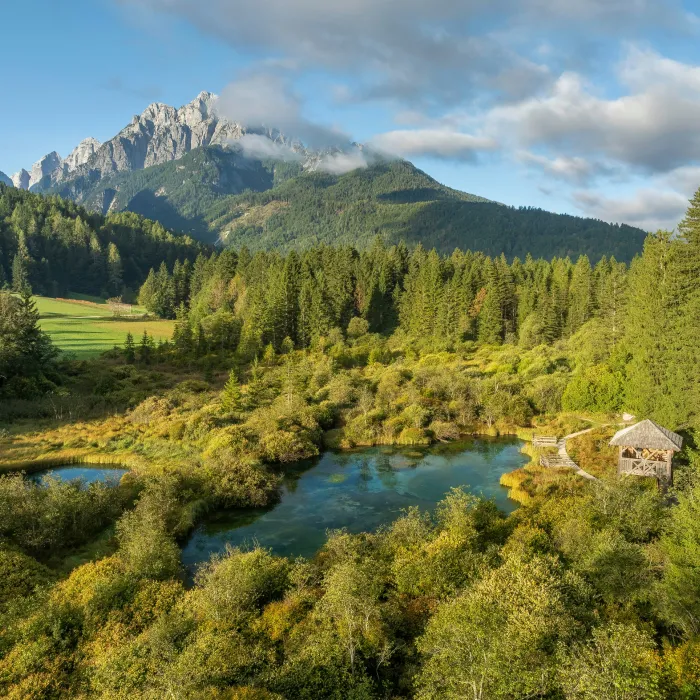
More than half the country is forest, and the distance from the karst caves to the Alps is shorter than most transfers inside Italy. Ljubljana is under two hours from Trieste, which makes it the natural extension of a northeast itinerary or a post-cruise program.
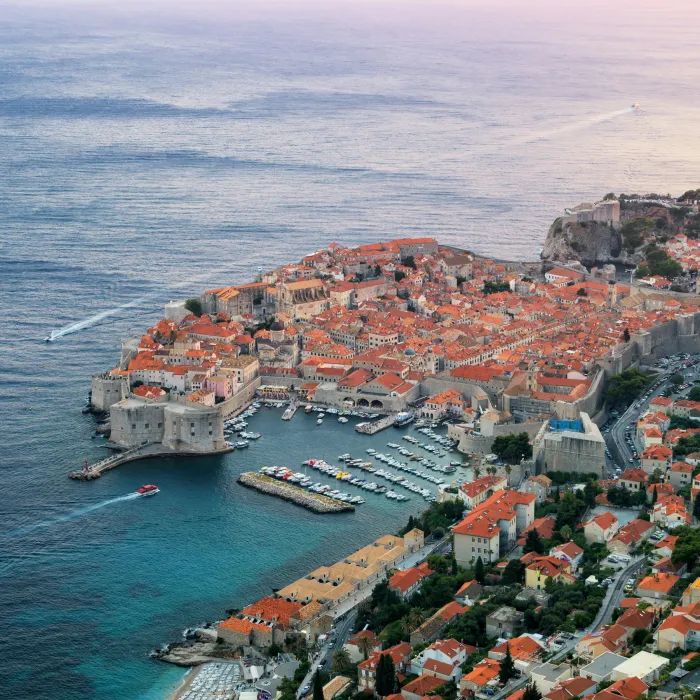
For four centuries the Istrian and Dalmatian coast was governed from Venice, and the winged lion is still cut into the town gates. Split and Dubrovnik are established cruise ports, so the country works as an extension at either end of a sailing rather than as a separate trip.
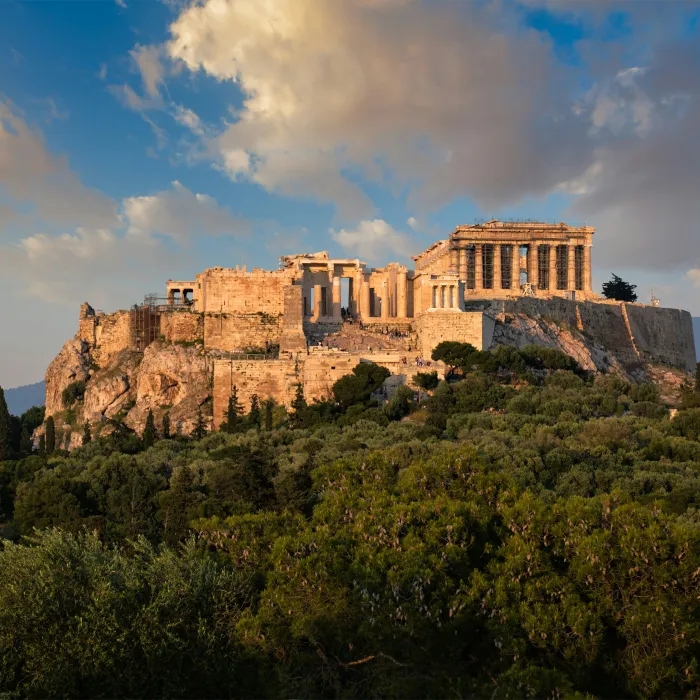
The classical sites and the Byzantine monasteries belong to two worlds that never entirely replaced each other, and many itineraries gain from seeing them in sequence. Athens is two hours’ flying from Rome, close enough to combine with Italy without losing a day to transit.
 Splendido private tours