Four nights in Matera and three in the Valle d’Itria, tracing the move from rupestrian churches to Baroque facades three centuries later. In July, the Festival della Valle d’Itria puts opera into courtyards and cloisters built for the sound.
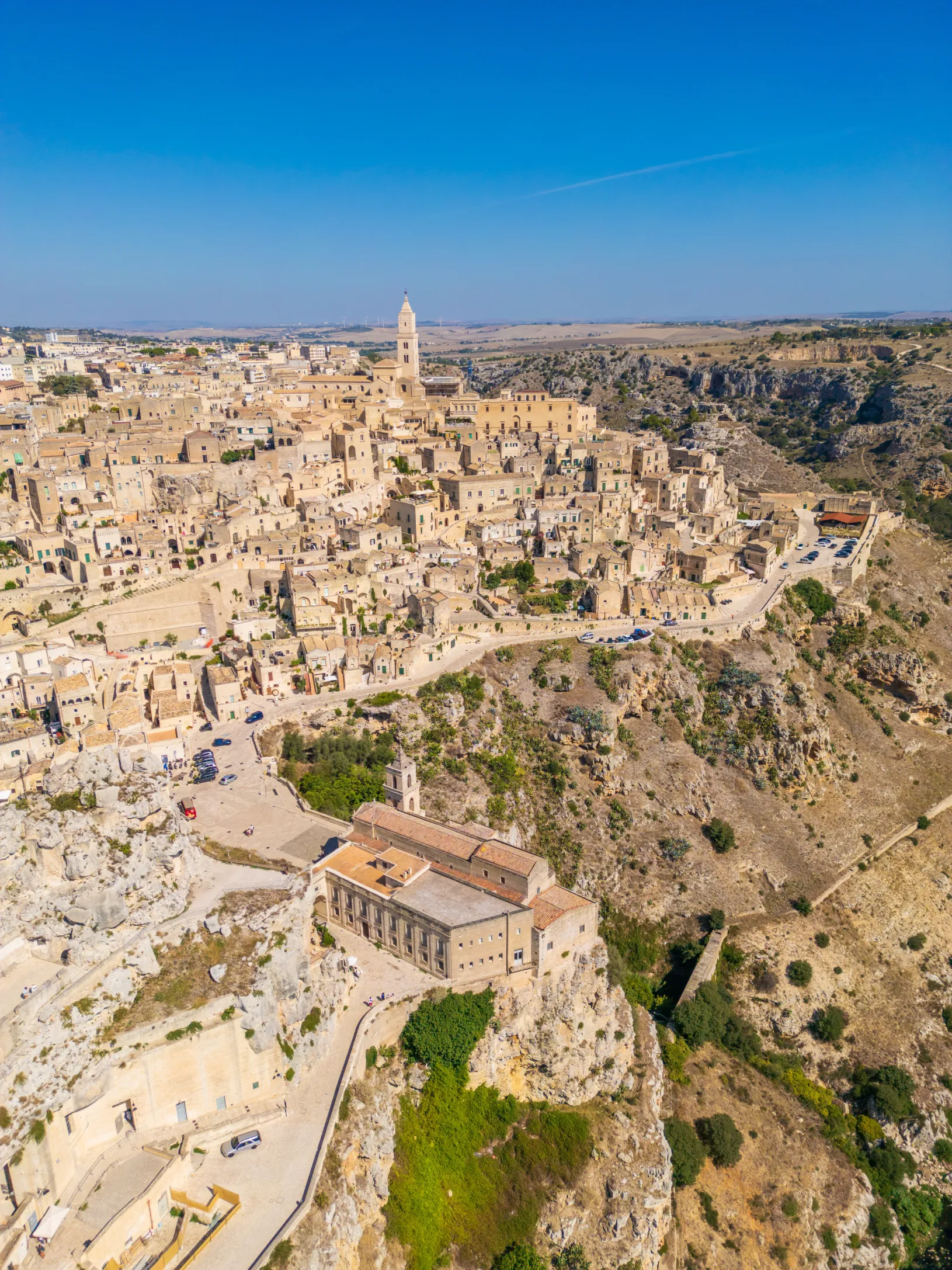
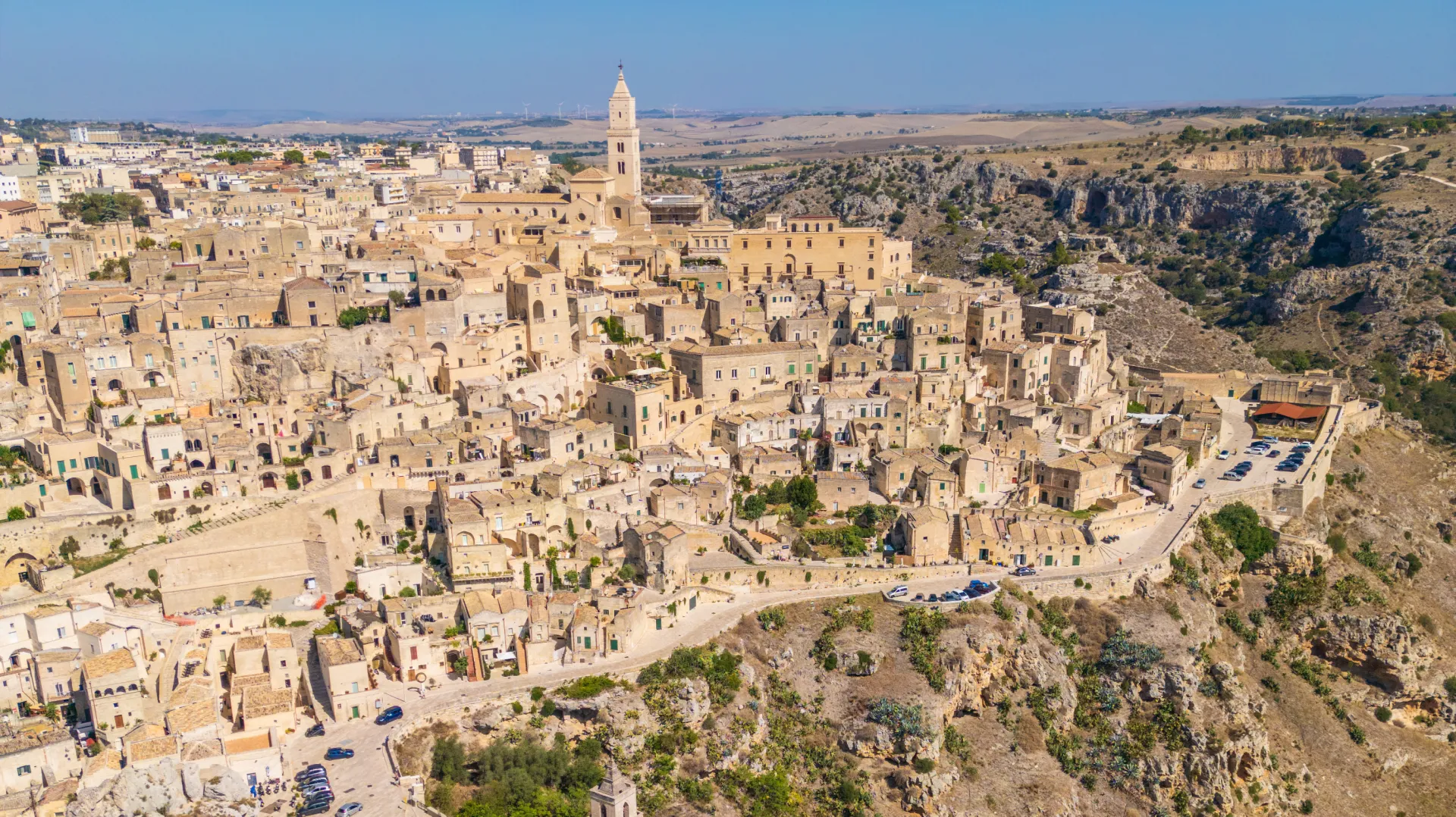
Arrival at Bari and transfer to Matera, around ninety minutes. First sight of the sassi from the belvedere at dusk, when the ravine goes quiet. Welcome dinner with Aglianico del Vulture and the local bread.
Morning through the Sasso Barisano and the Sasso Caveoso with a local historian, including a cave house left as it was when the district was cleared in the 1950s. Independent lunch. Afternoon at the Palombaro Lungo cistern beneath the main square.
Morning across the ravine into the Murgia park, to rupestrian churches with frescoes still on the rock walls, reached on foot. Lunch at a masseria. Afternoon free, or the Crypt of the Original Sin by arrangement.
Departure north with a morning at Castel del Monte, the octagonal hunting castle of Frederick II that nobody has fully explained. Lunch at Altamura, where the bread has its own denomination. Arrival at the Valle d’Itria base for three nights.
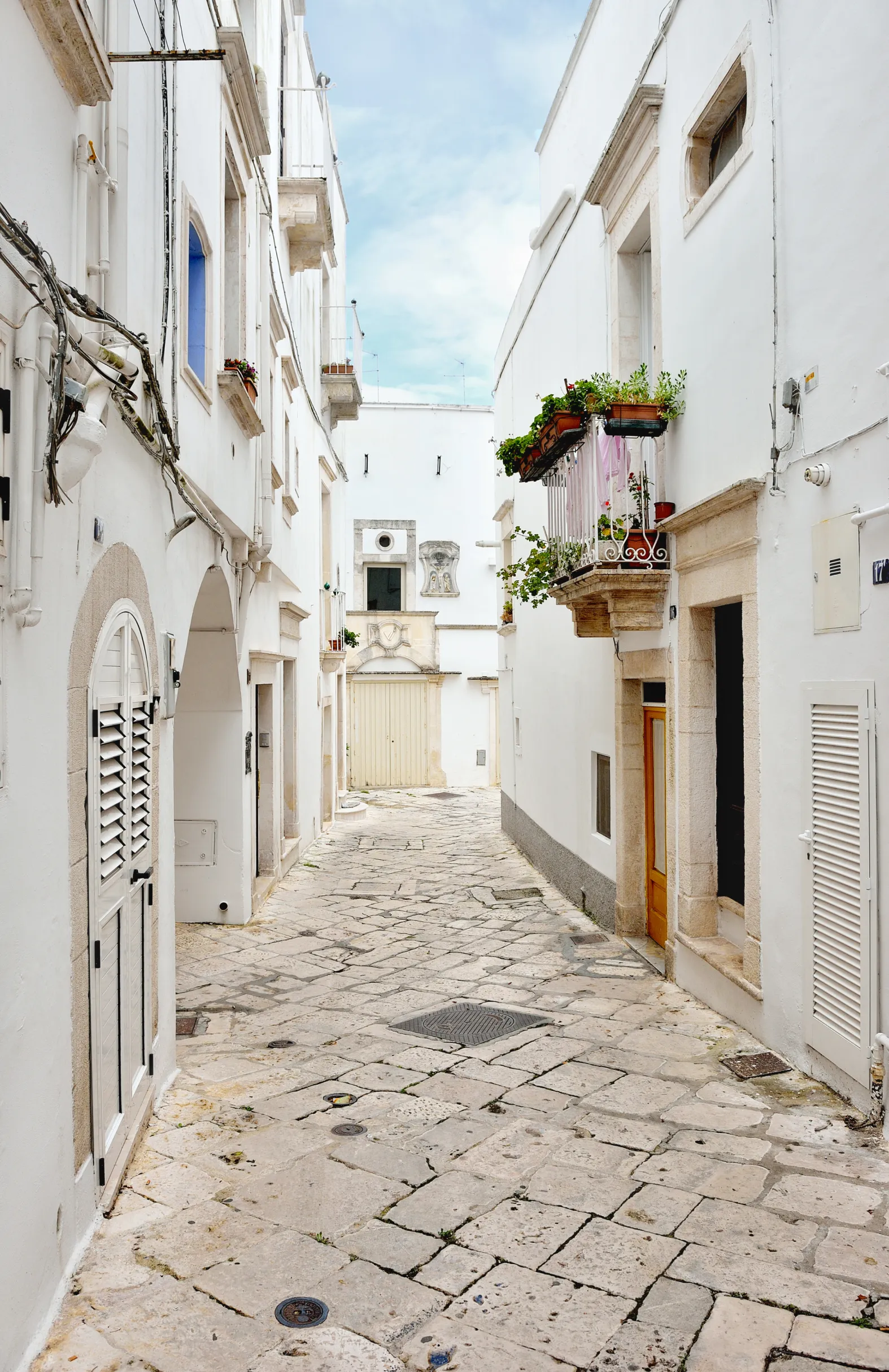
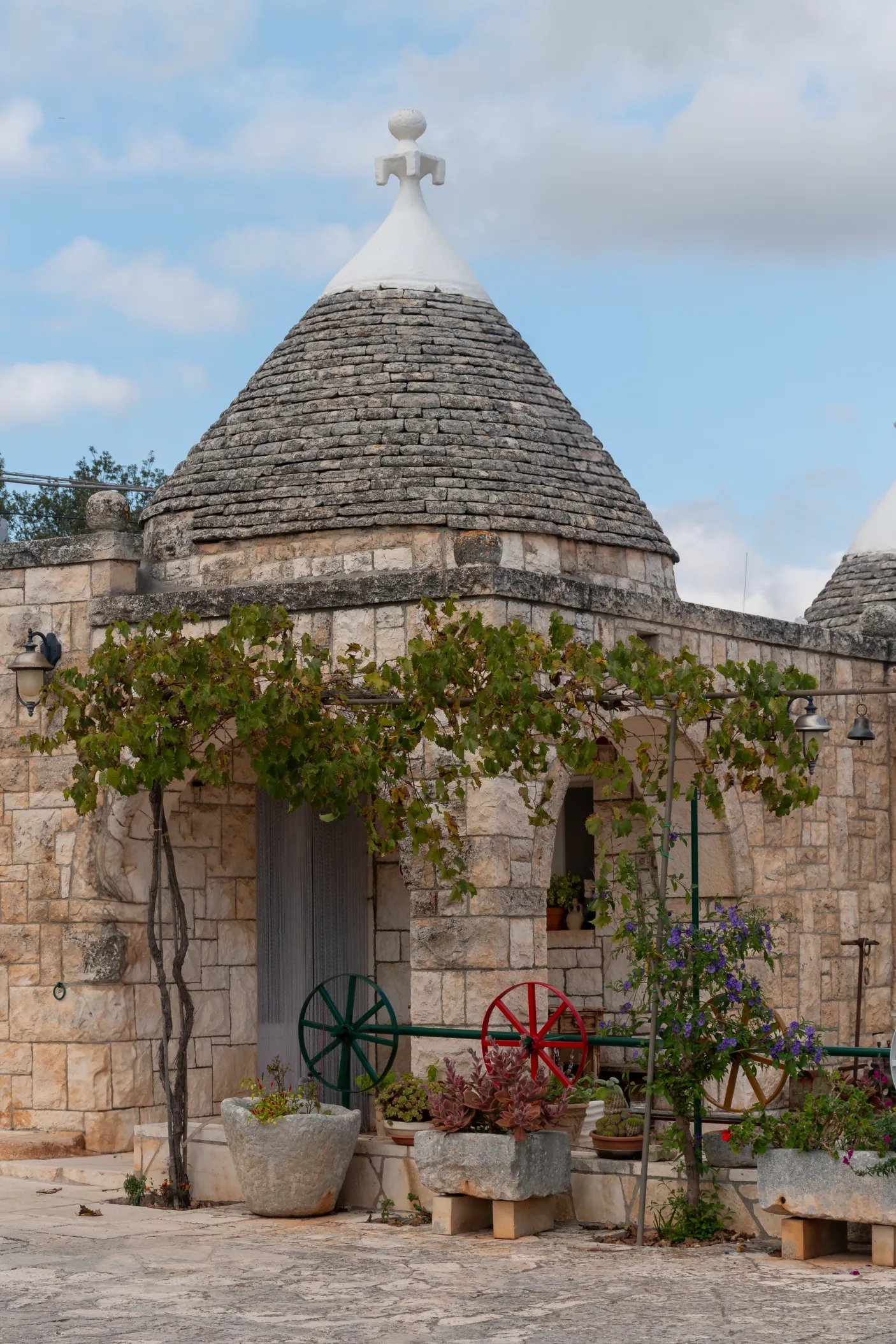
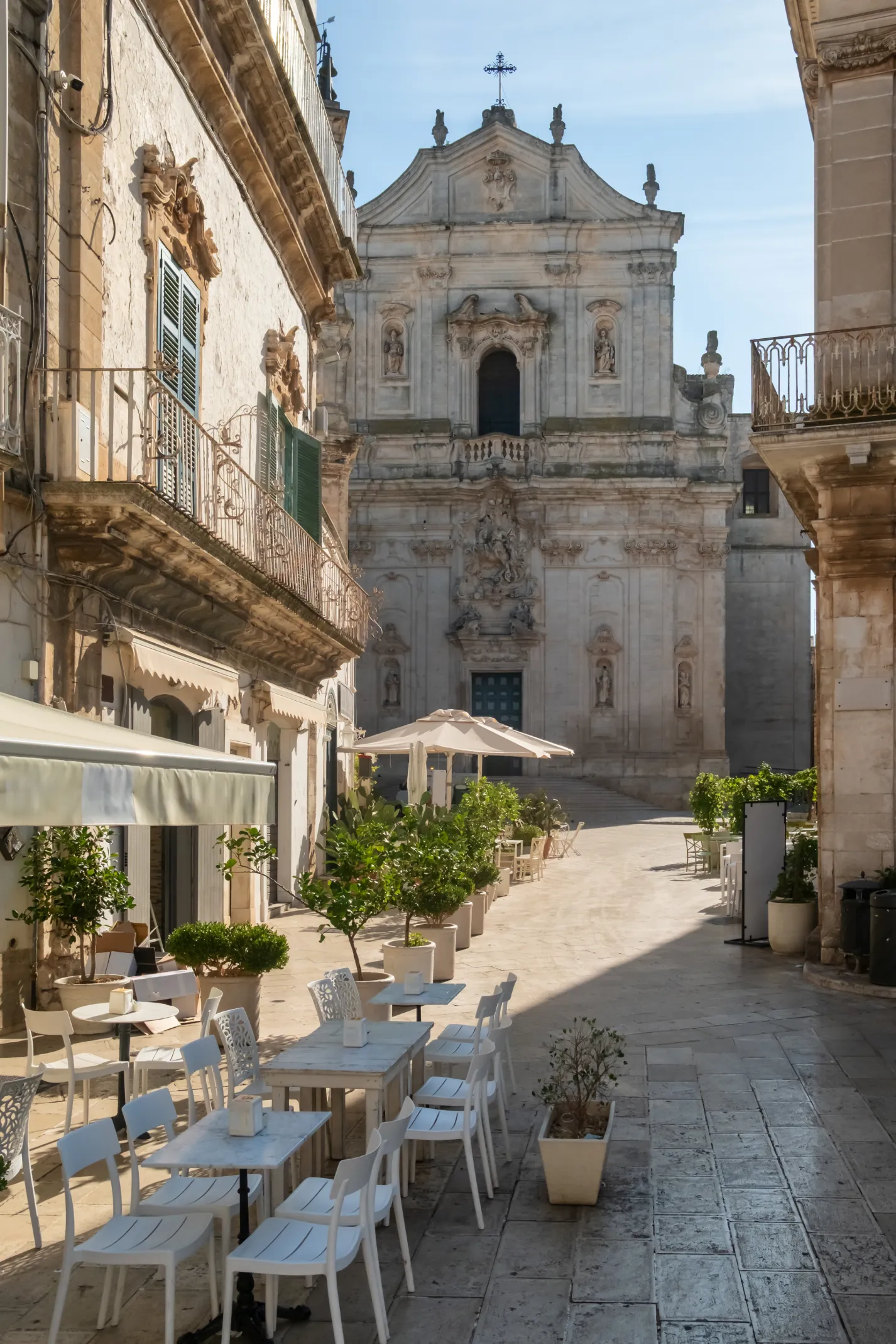
Morning at Martina Franca, whose Baroque is carved in local stone and painted white, then Locorotondo on its ridge. Independent lunch. Afternoon among the trulli of Alberobello, timed for the late hours when the coaches have gone.
The day is built around a performance: in July, the Festival della Valle d’Itria, otherwise a private recital in a cloister or palace courtyard built long before amplification. Afternoon at an olive grove with trees over a thousand years old, and the oil pressed from them.
Morning at Ostuni, the white town above the plain, with its cathedral and the narrow lanes below. Lunch by the sea. Afternoon free or, by choice, Lecce and its golden limestone facades, an hour further south. Farewell dinner.
Morning transfer to Bari or Brindisi for onward flights, including the direct route to New York from Bari for groups routing that way.
 Splendido private tours