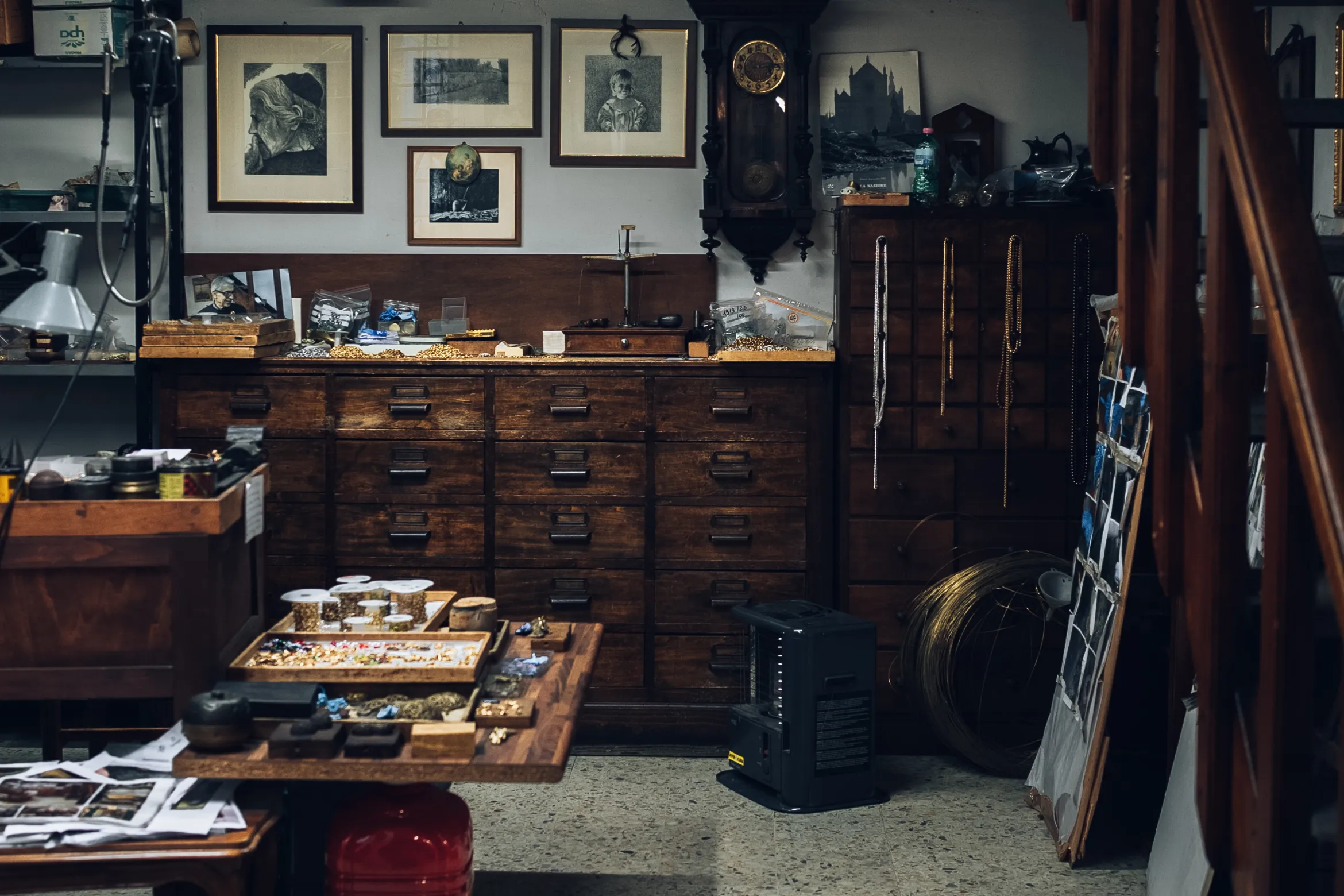
Goldsmiths and leather workshops in Florence, ceramics in Vietri, bread from a wood-fired oven in Altamura, carnival masks in Venice. These are working places, not showrooms: the visit shows how the object is made, and why it is still made here.
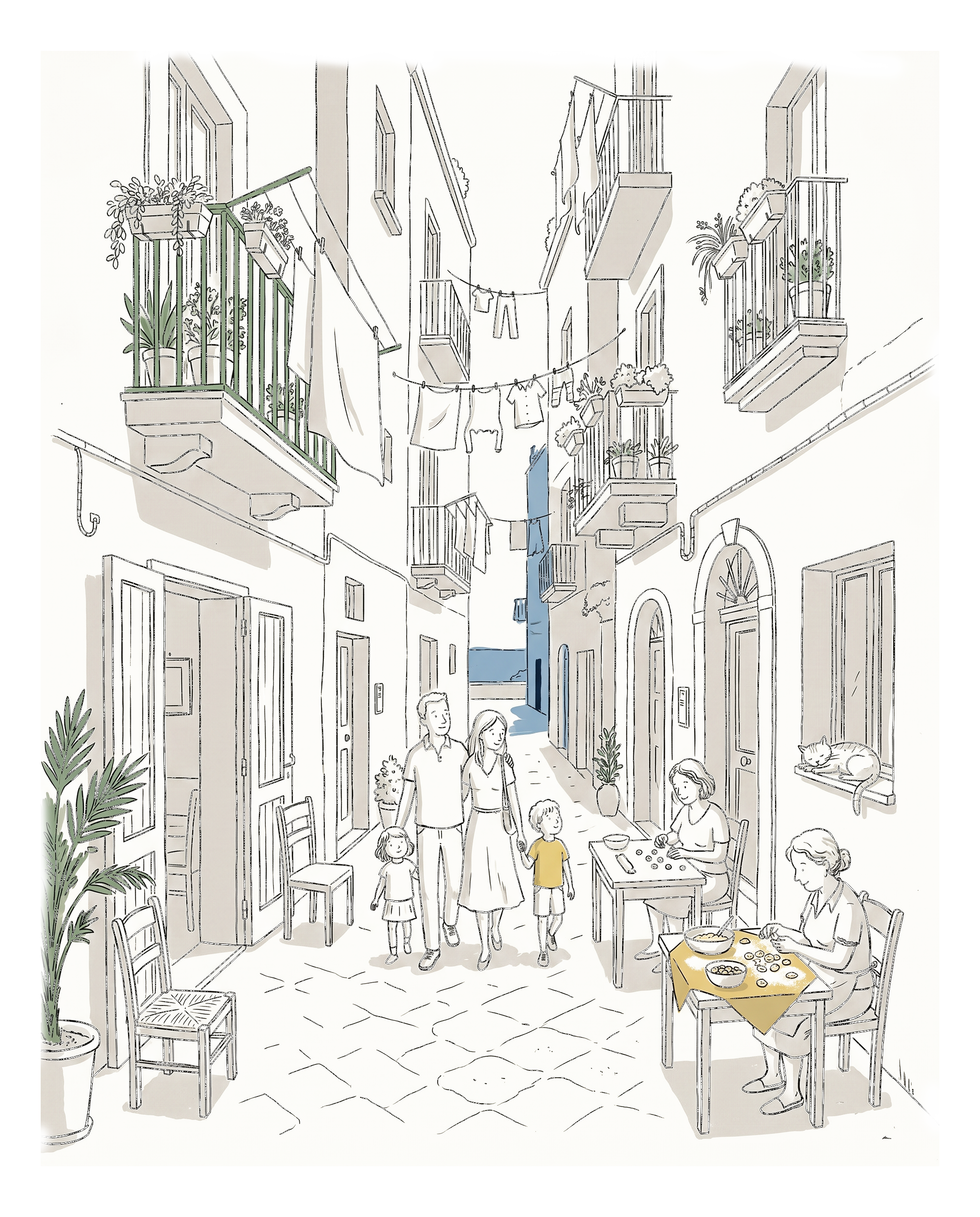
The craftsman works while your clients watch and ask questions. There is no sales pitch and no obligation to buy. Your group travels with one of the certified guides who have worked with us for years: they introduce each workshop, explain what the trade still means to the town, and translate where the artisan speaks only Italian.
Some traditions follow the calendar — a carnival, a harvest, a festival — and those depend on dates that cannot move, so we plan them with you before the itinerary is fixed.
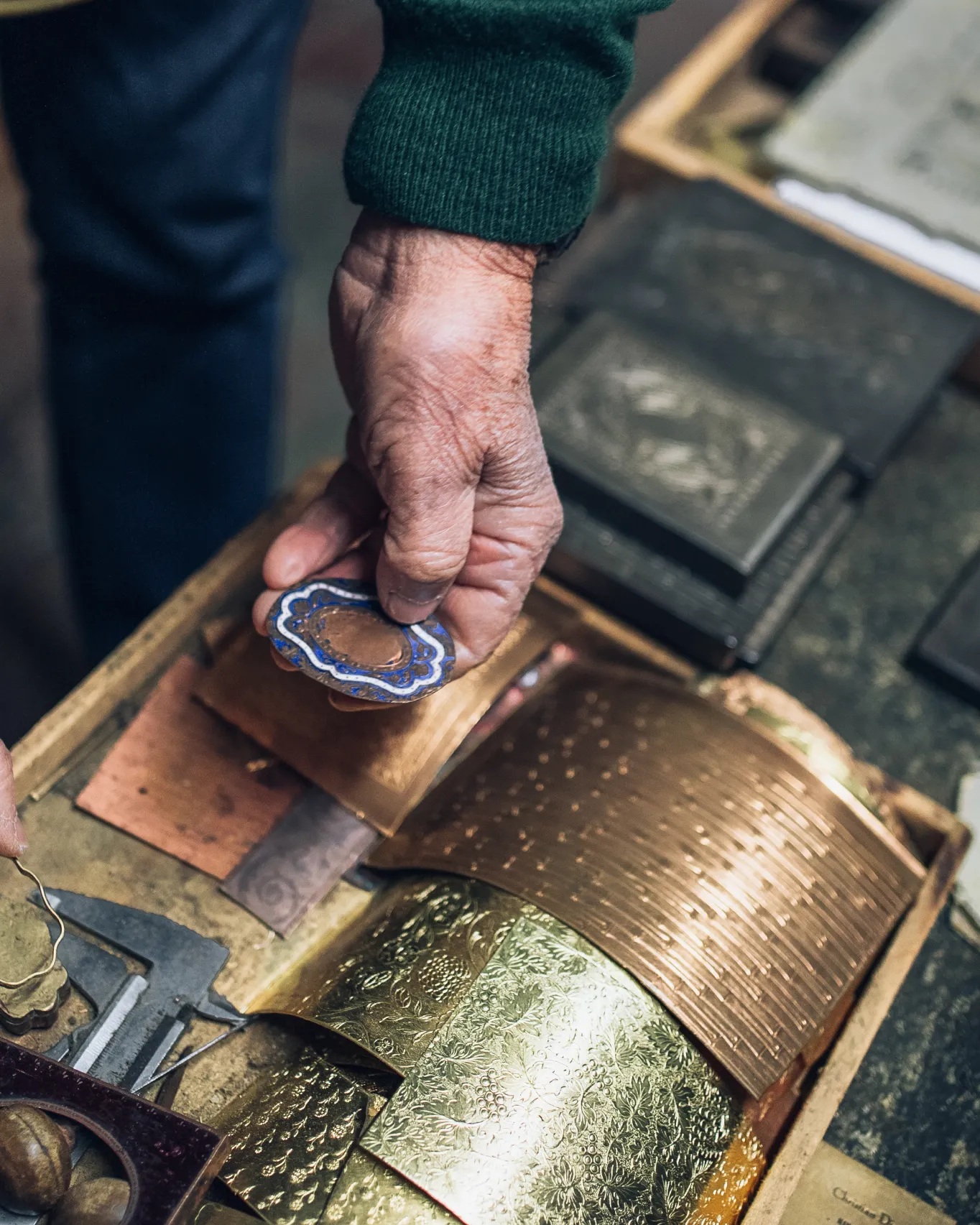
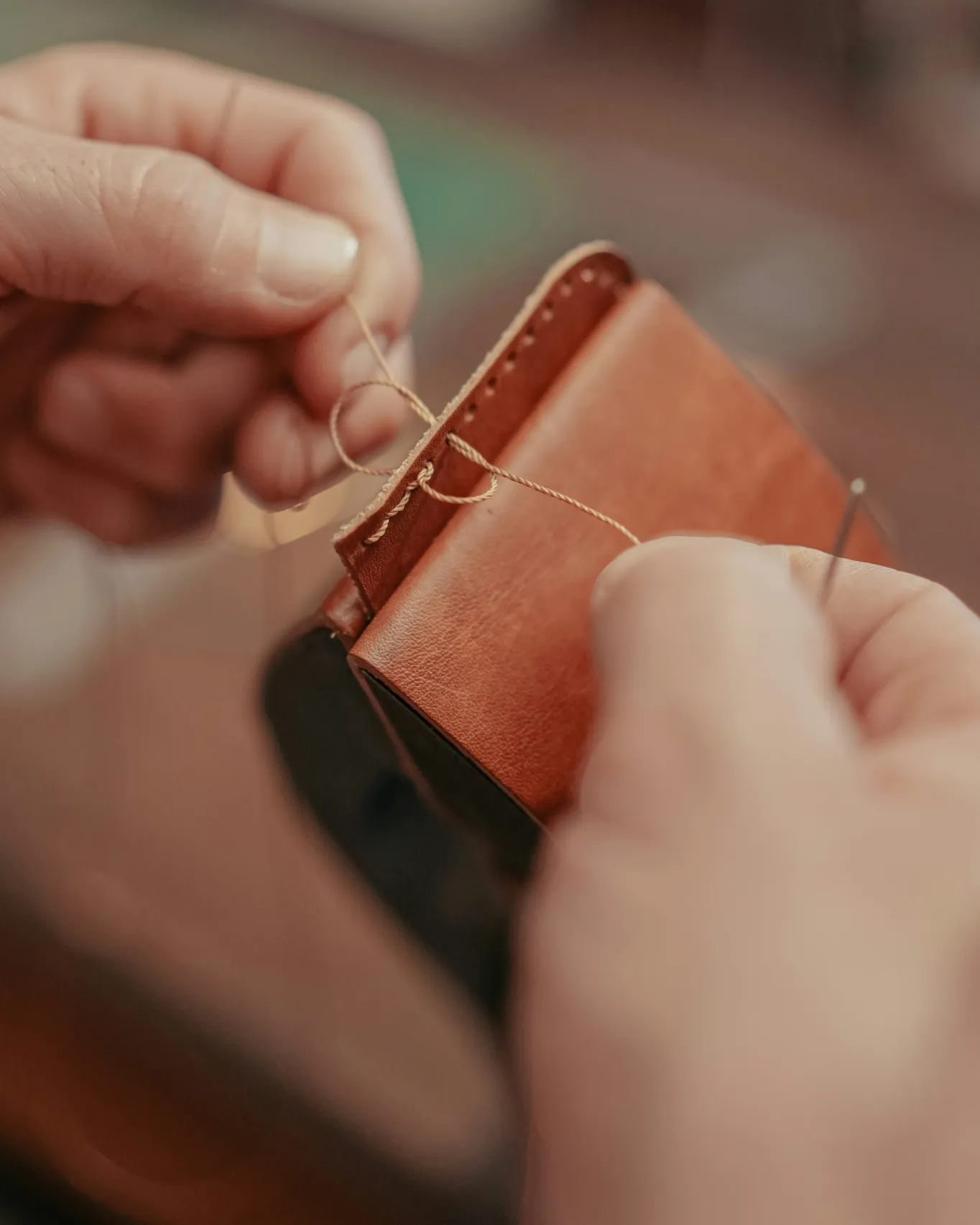
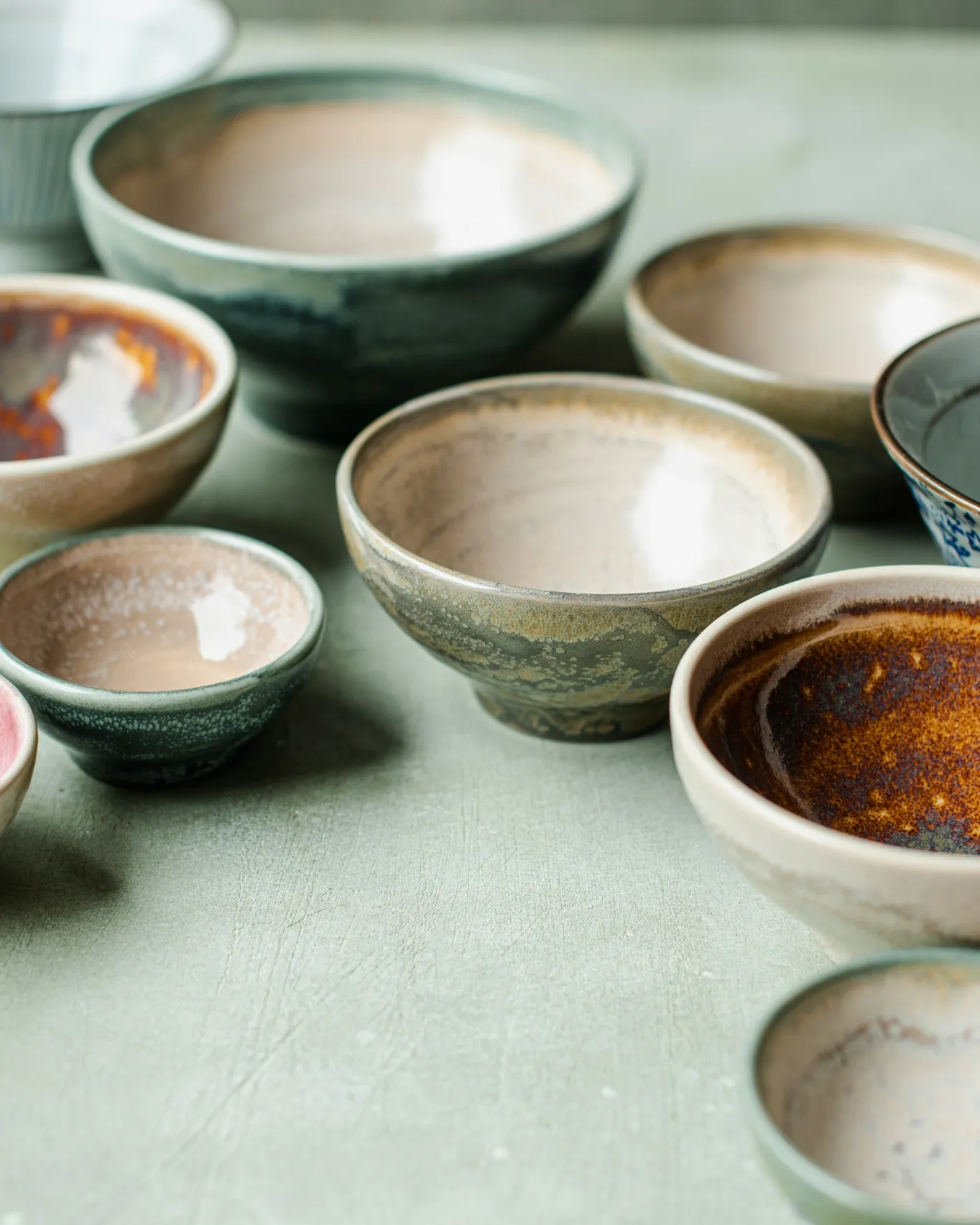
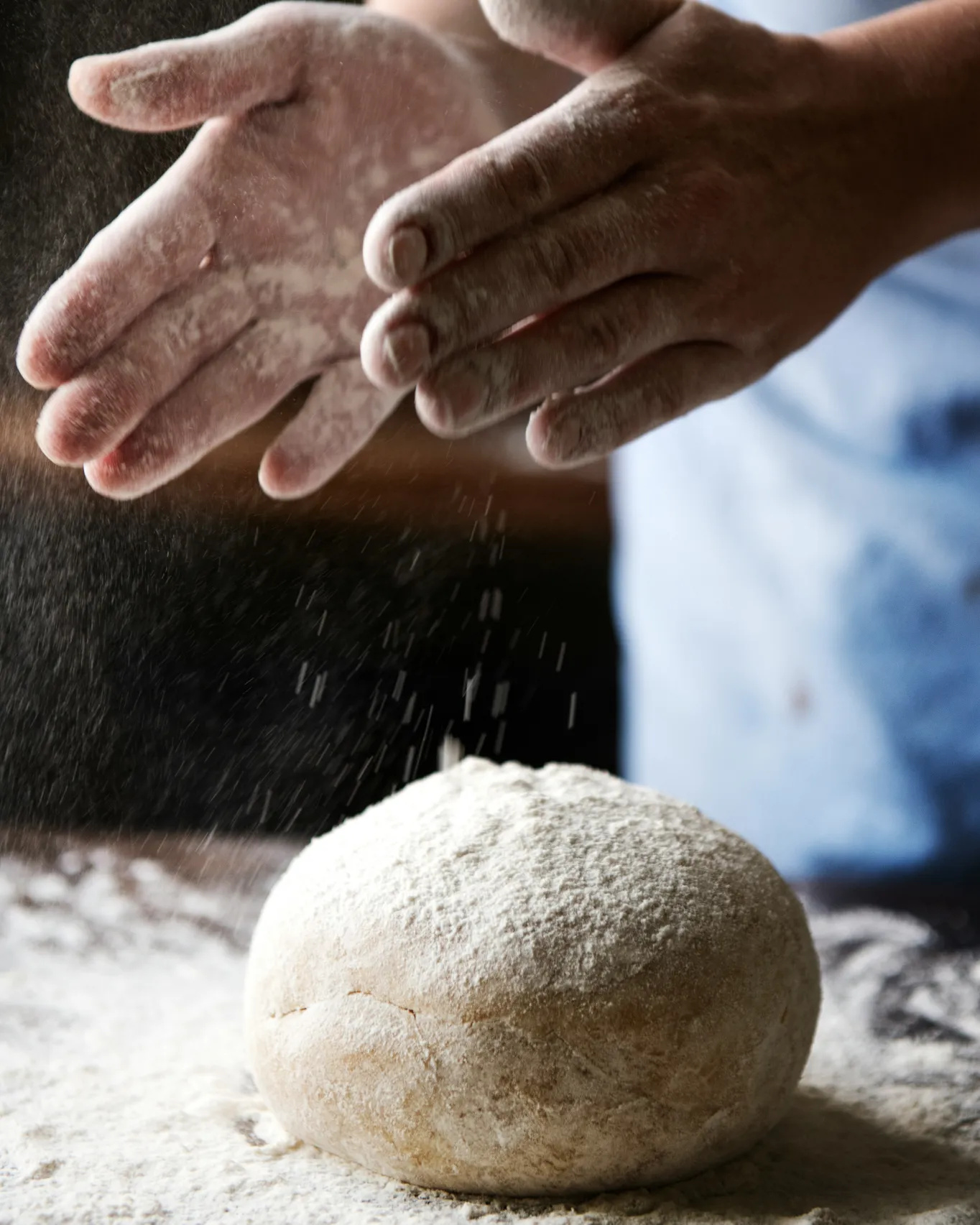
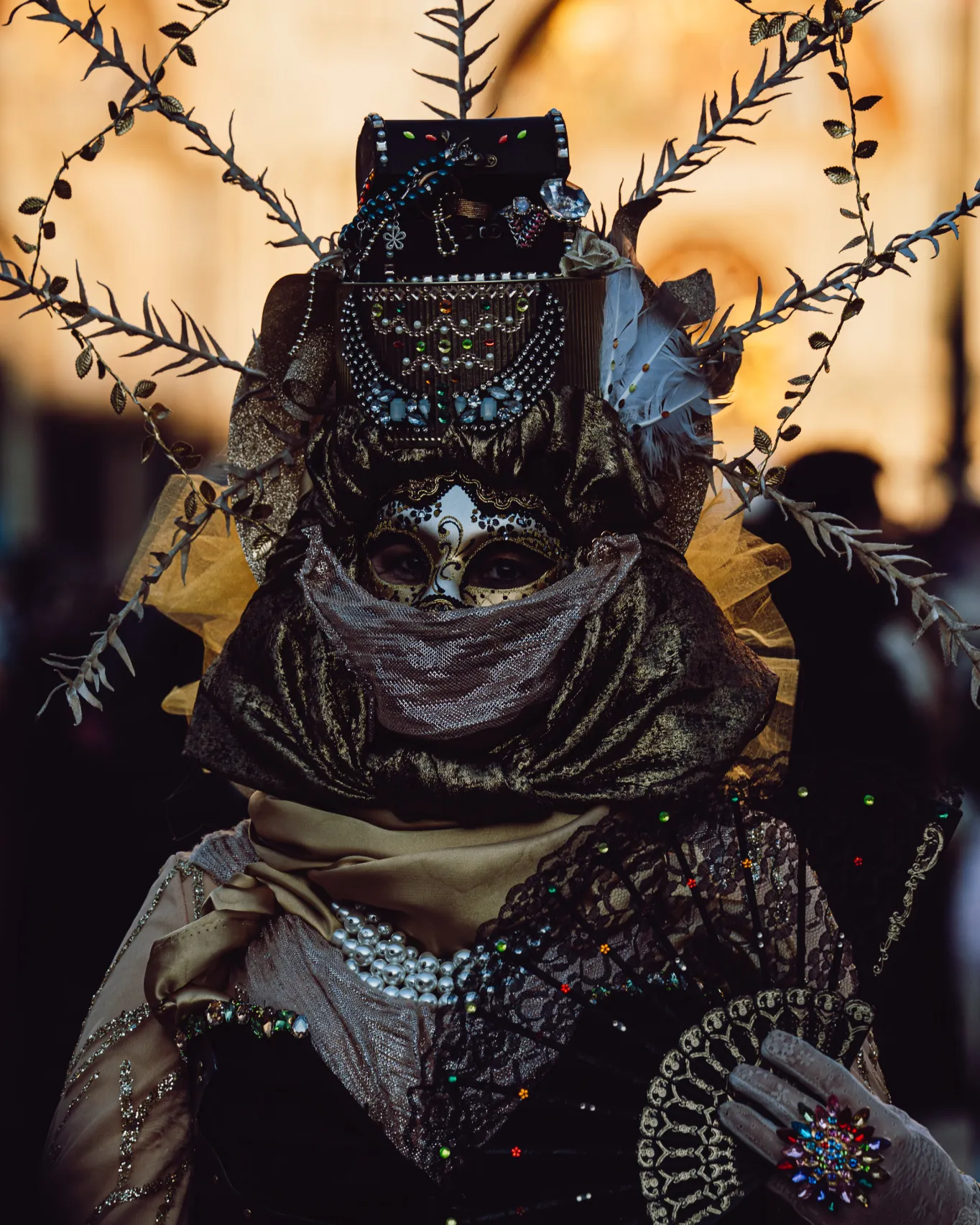
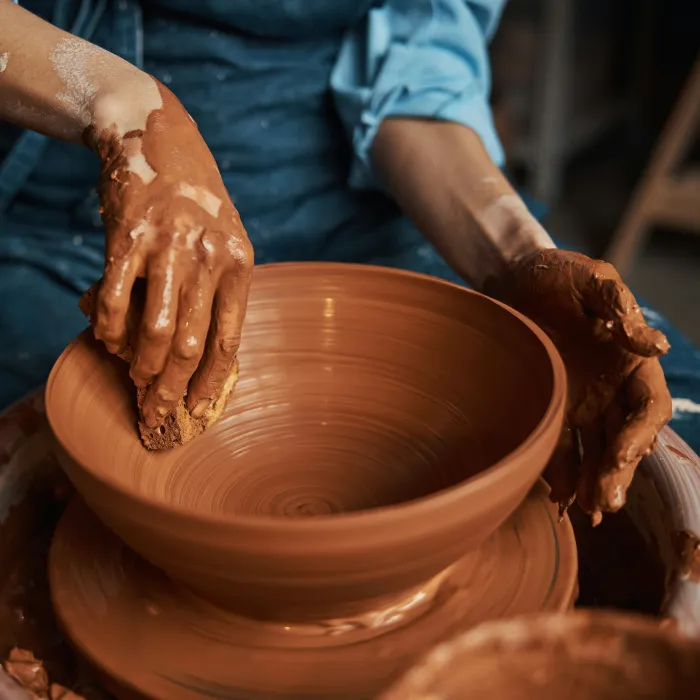
Third and fourth generation makers working in the room where their grandfather worked. They explain why a technique survives and why it costs what it costs, hands busy throughout.
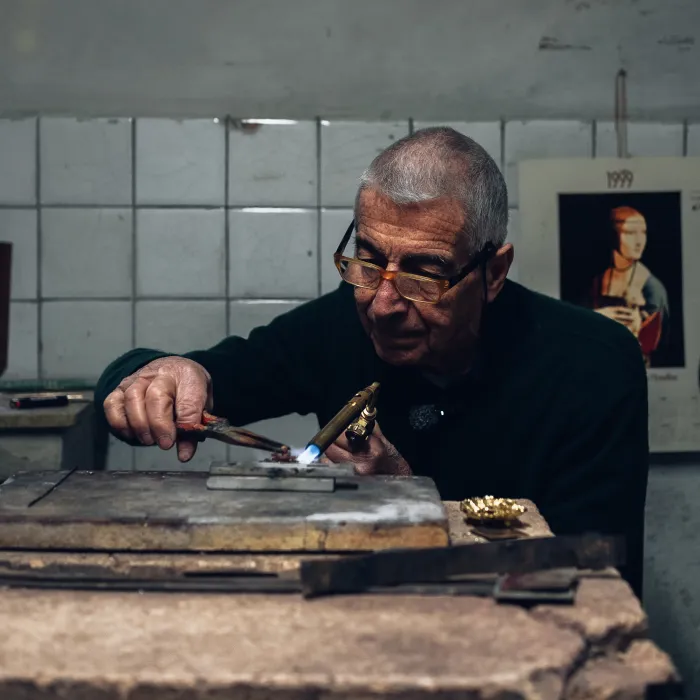
Two or three hours at the bench, the loom or the wheel, making something imperfectly and understanding precisely why it is difficult. The piece goes home with you, flaws included.
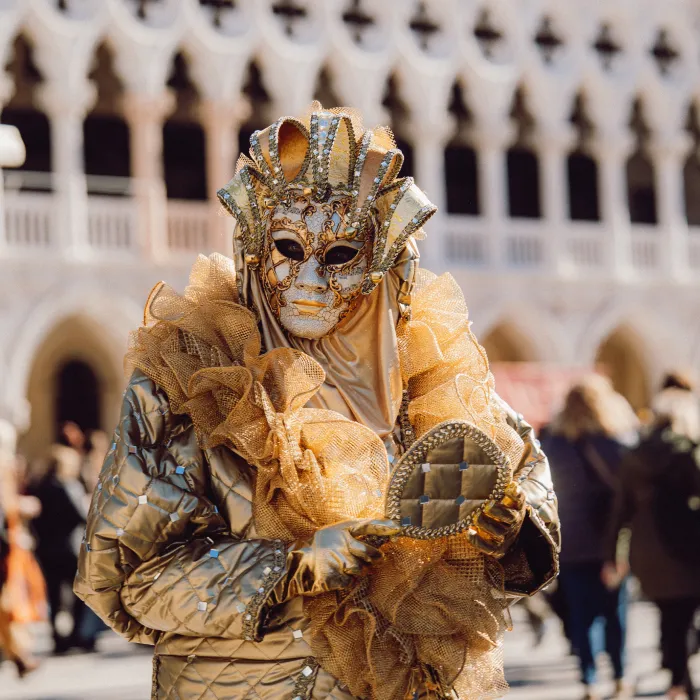
Processions, palii, harvest rites and patron saint days organised by residents for residents. Being there at the right moment takes knowing the date and the family who can introduce you.
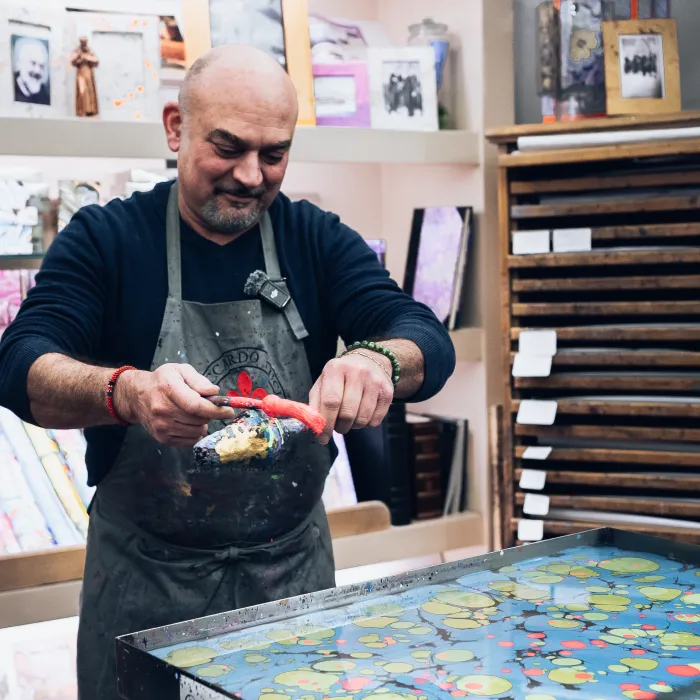
Gondola yards, paper mills, coppersmiths, bell founders. Trades with very few practitioners left in the country, visited while there is still someone able to explain them from the inside.
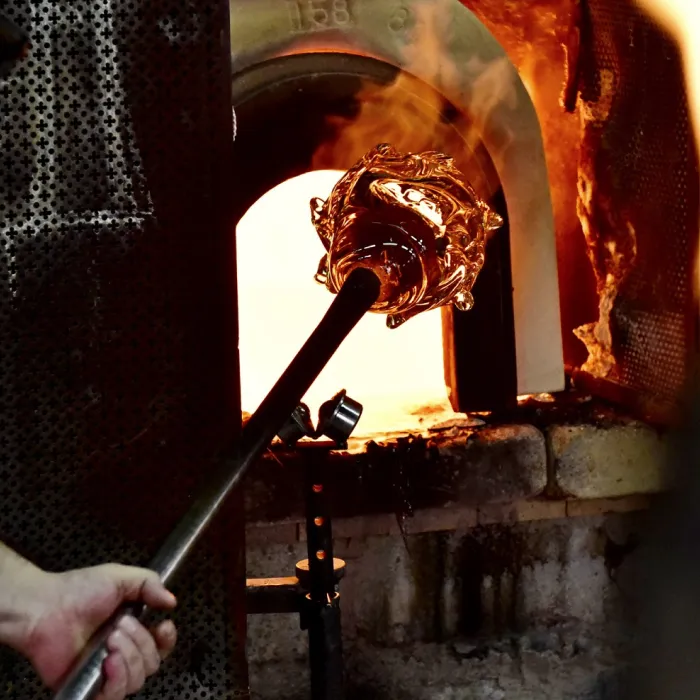
Paper, leather, ceramics, glass or textiles ordered directly from the workshop and finished after you have left. A slower way to take something home, and the only way to know exactly whose hands made it.
 Splendido private tours