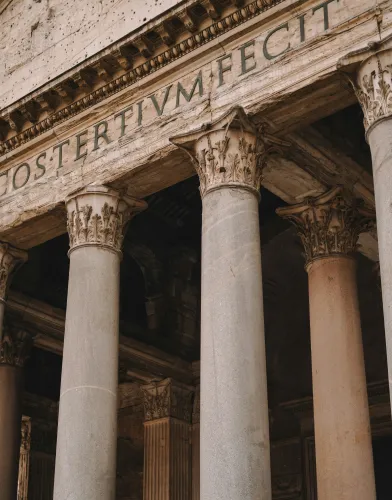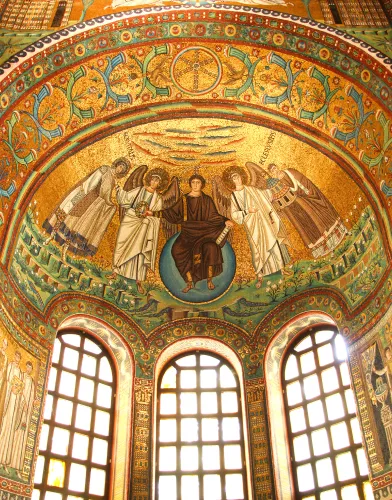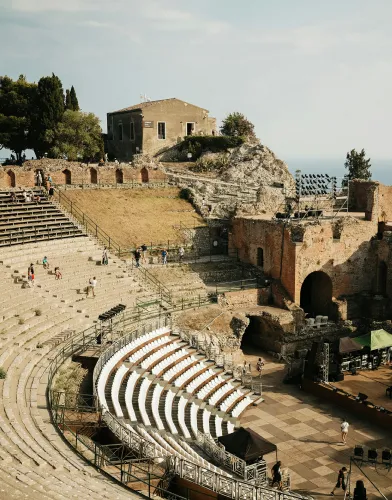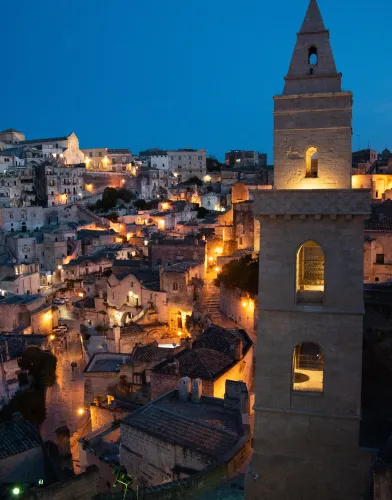
Most of Italy’s art is still in the place it was made for: a church, a palace, a workshop. Seen there, and explained by someone who studies it, it is far easier to understand.
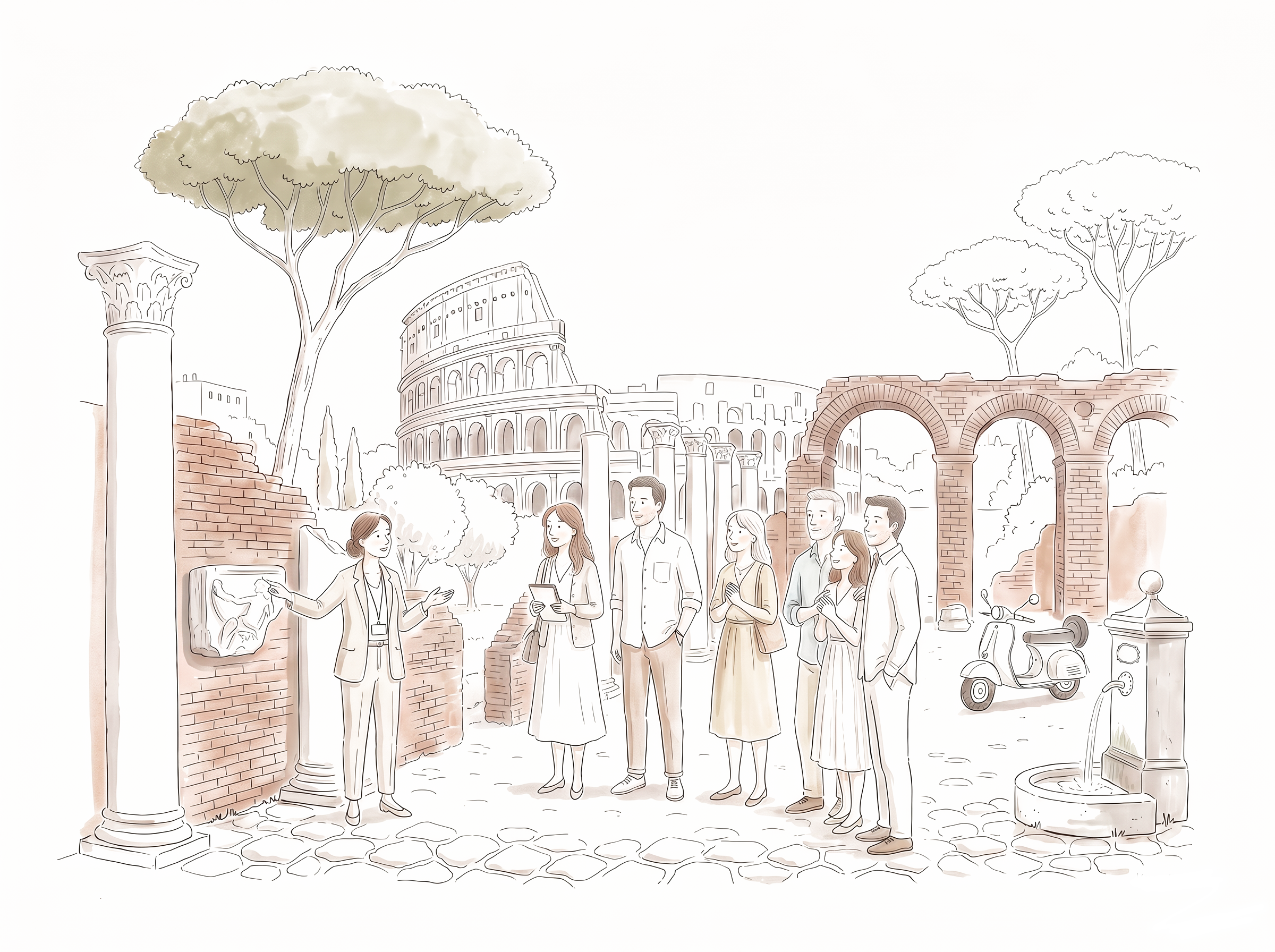
Art historians and curators who explain what your clients are looking at, and why it was made. Workshops where the same crafts are still practiced by hand. Routes planned so that the whole group can see and hear properly.
Not a list of famous names, but a visit your group understands.
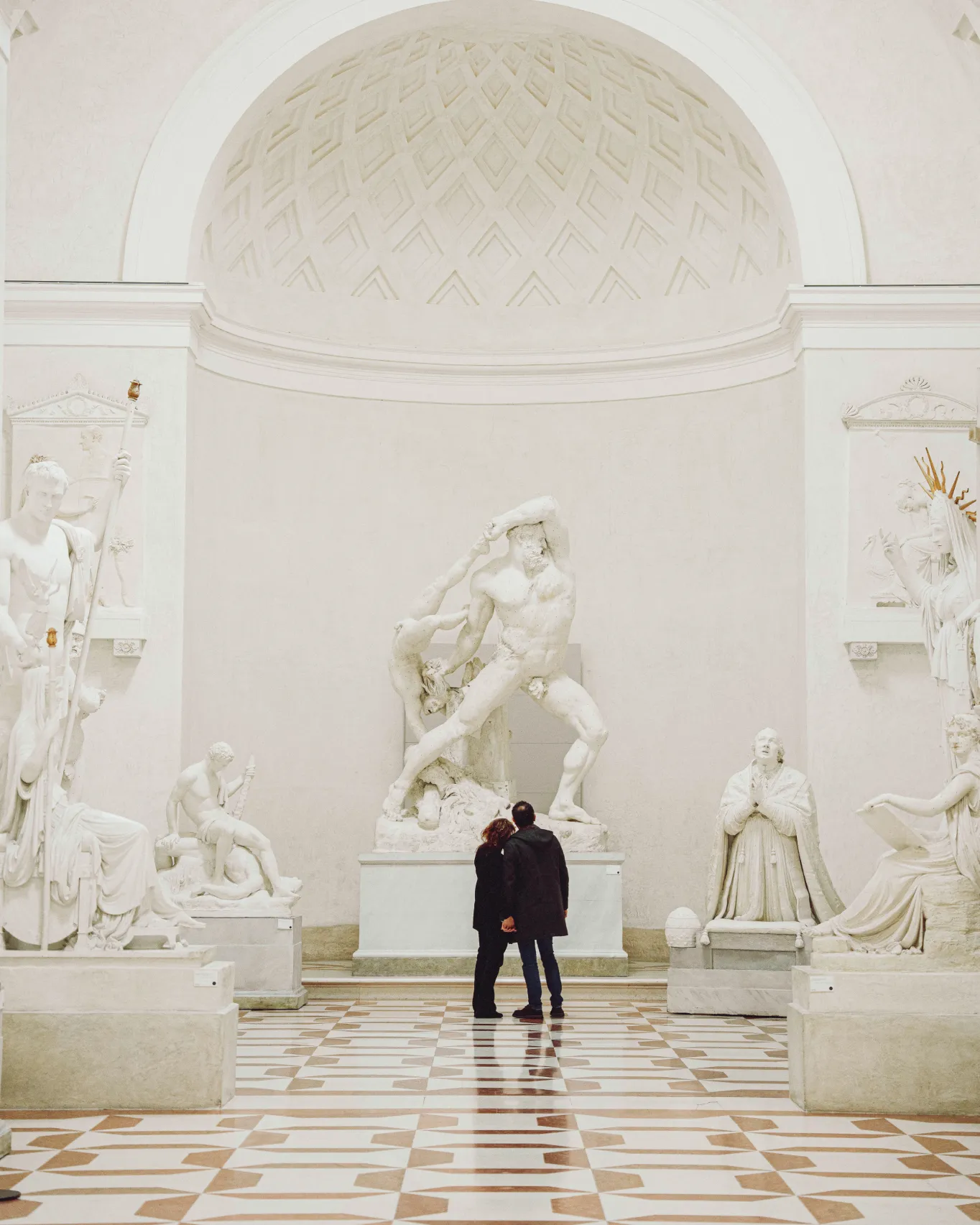
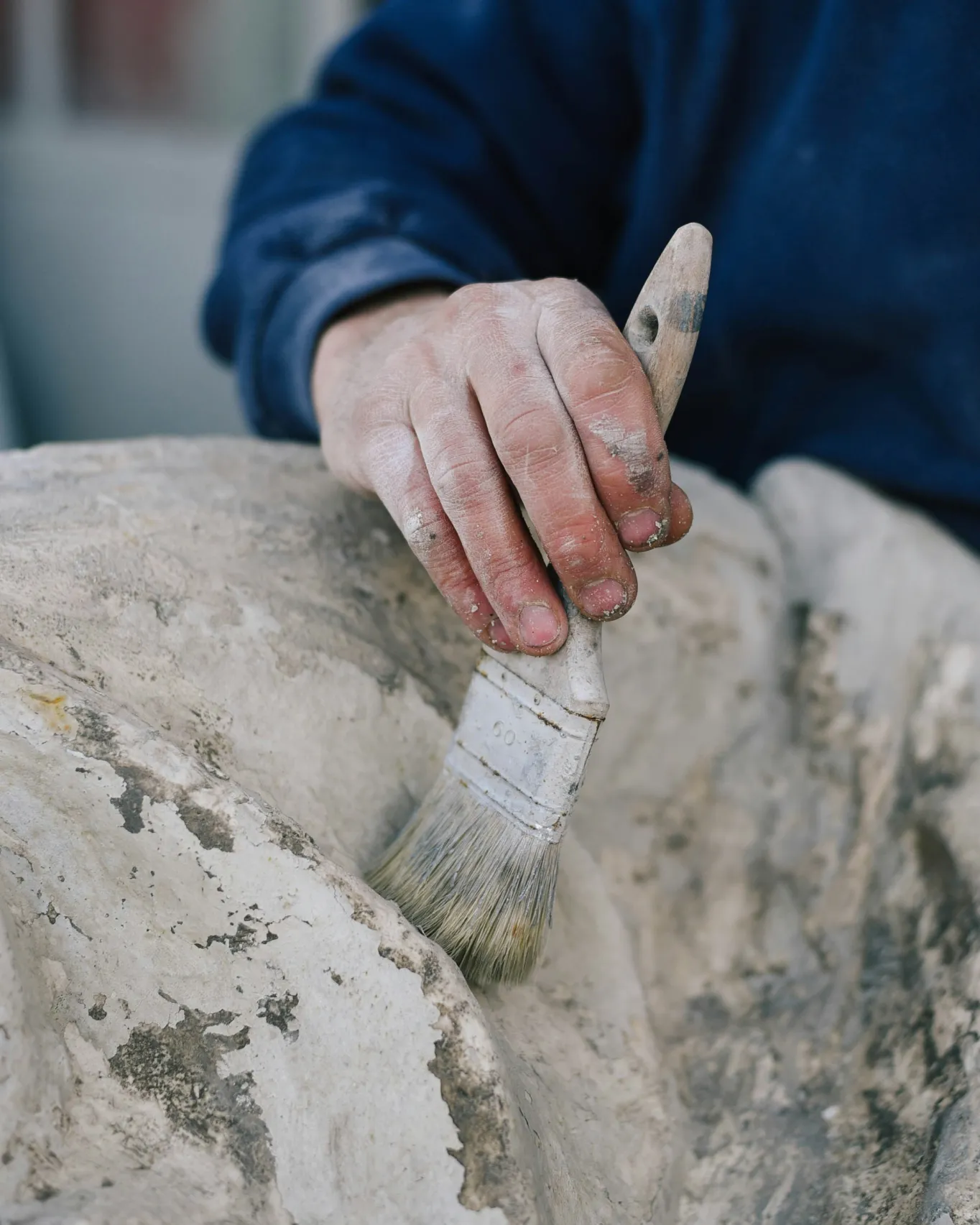
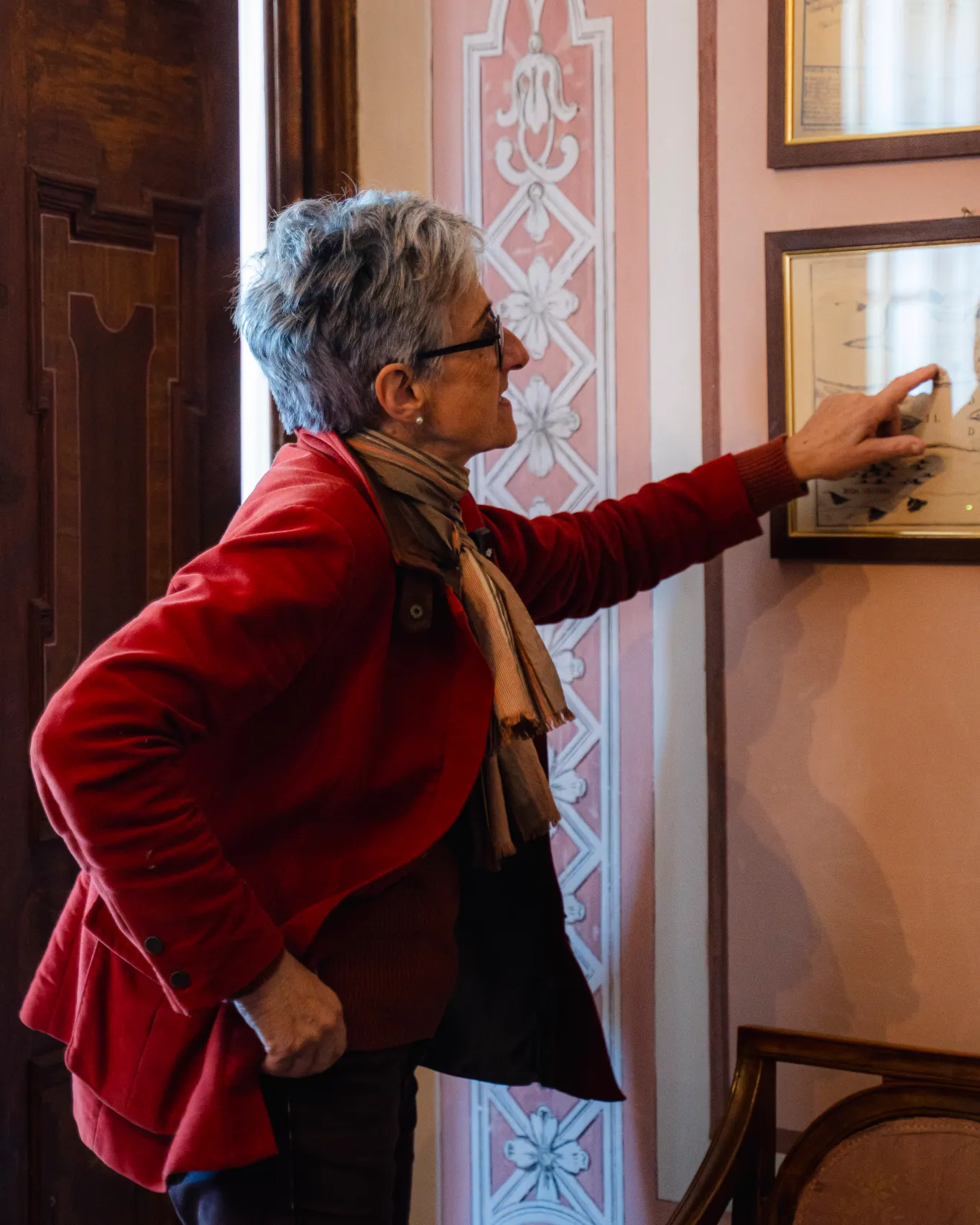
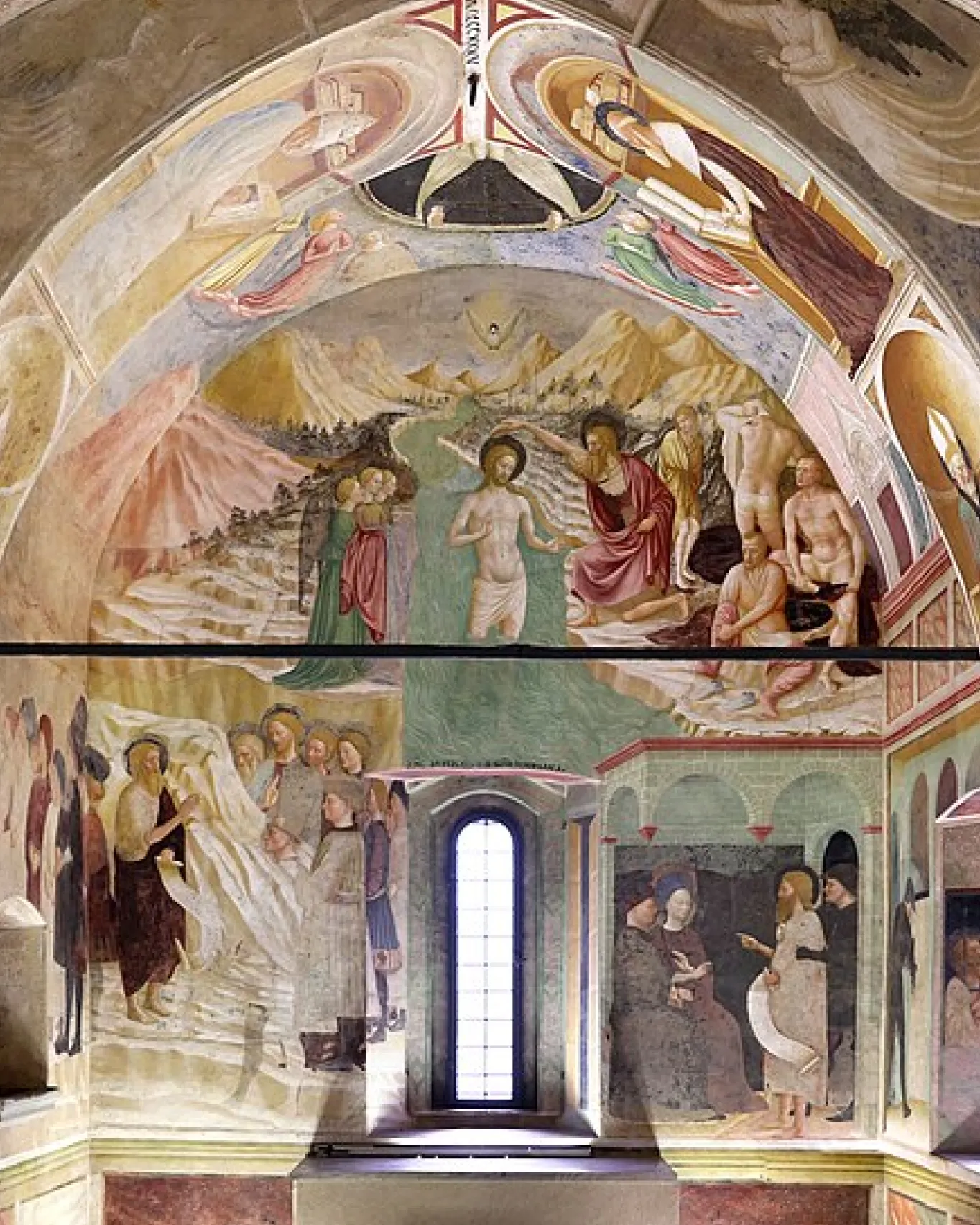
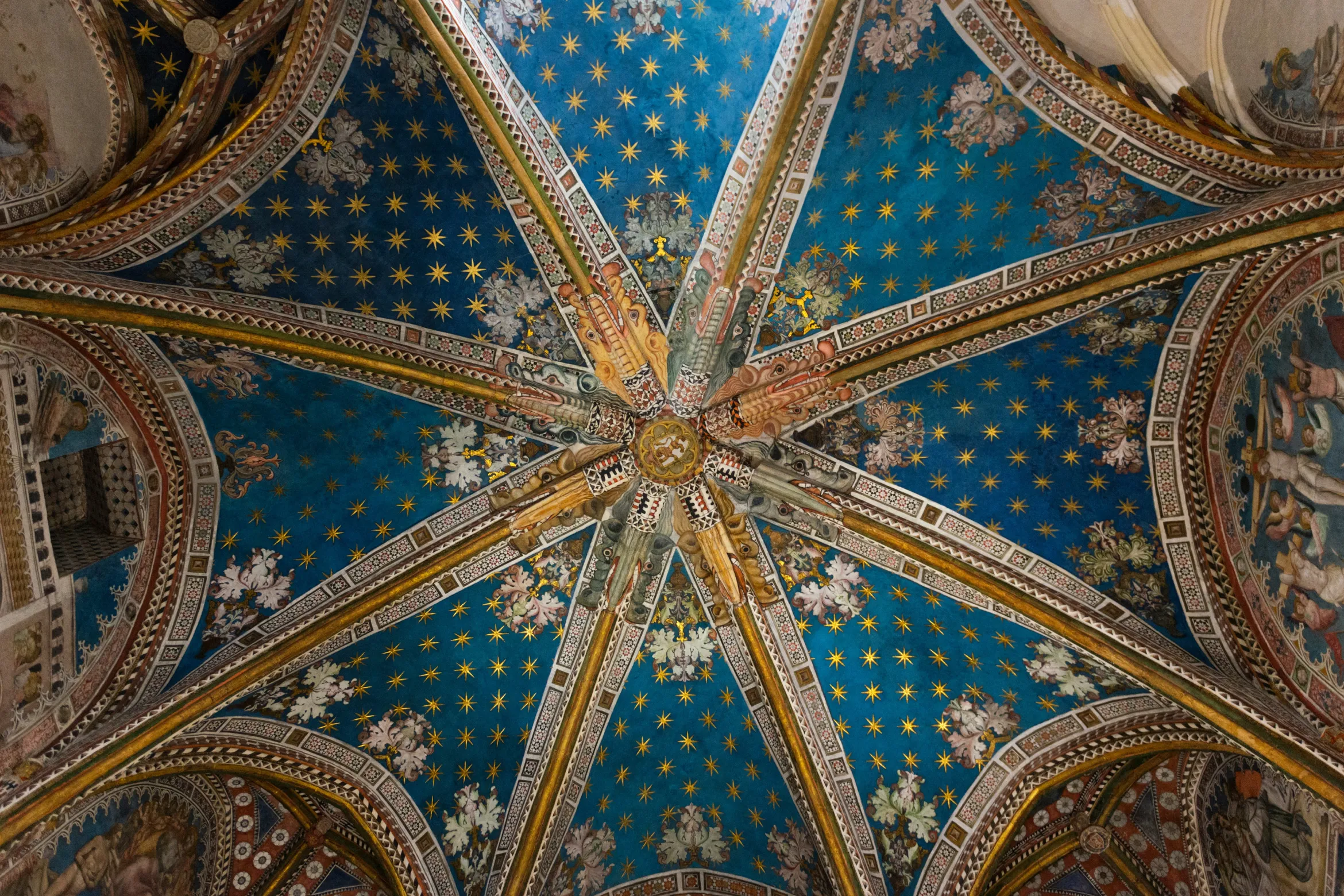
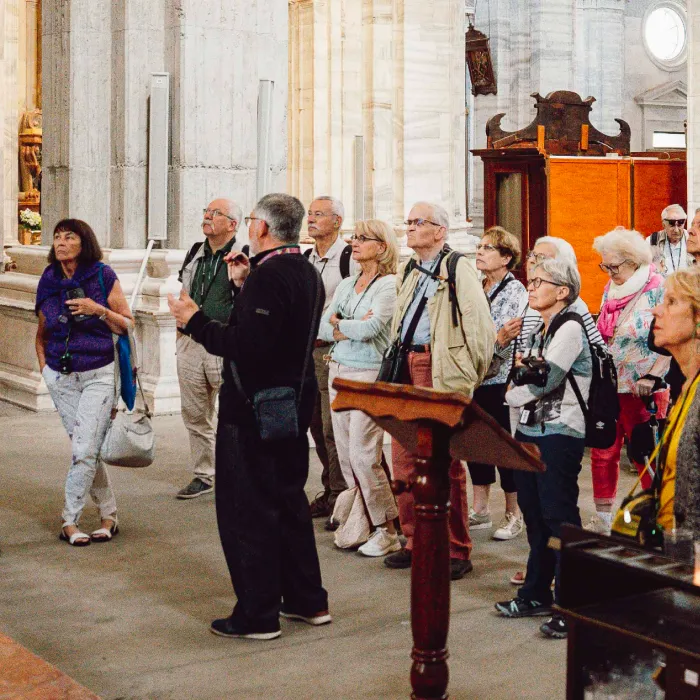
Some places change completely when they are empty. Early access and after-hours openings, arranged through relationships built over decades, let a group stand in front of a mosaic or a fresco cycle with no queue moving behind them.
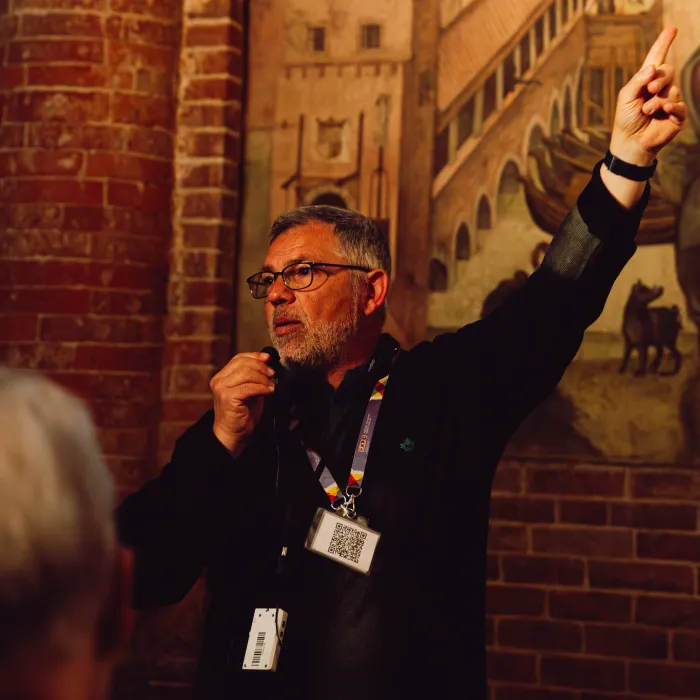
Art historians, archaeologists and curators who research the sites they show. Not a script repeated four times a day, but a conversation that follows what the group actually wants to understand.
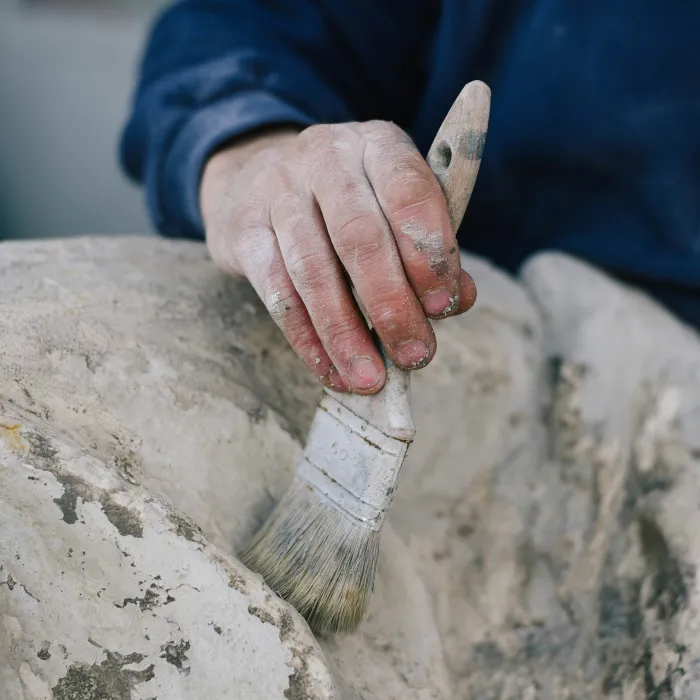
Behind most Italian monuments there is a laboratory of conservators. Watching a panel being cleaned or a capital consolidated explains more about how this art has survived than any gallery label.
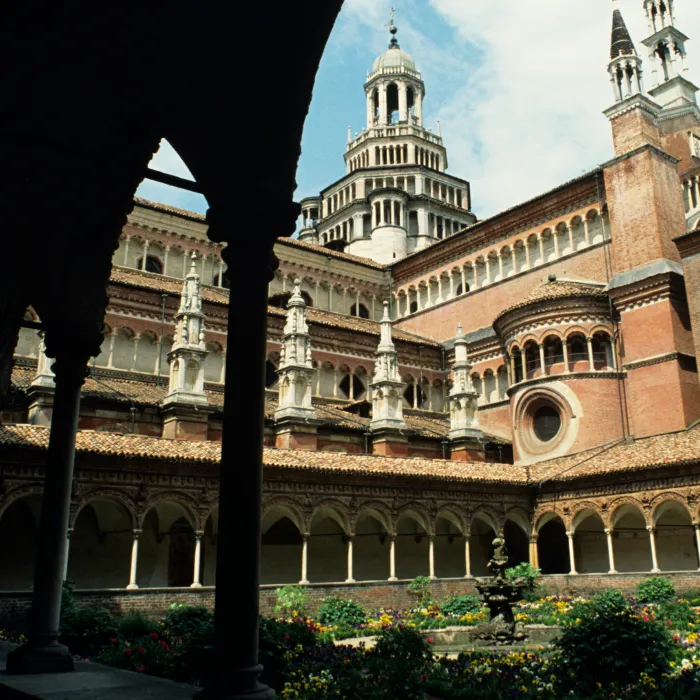
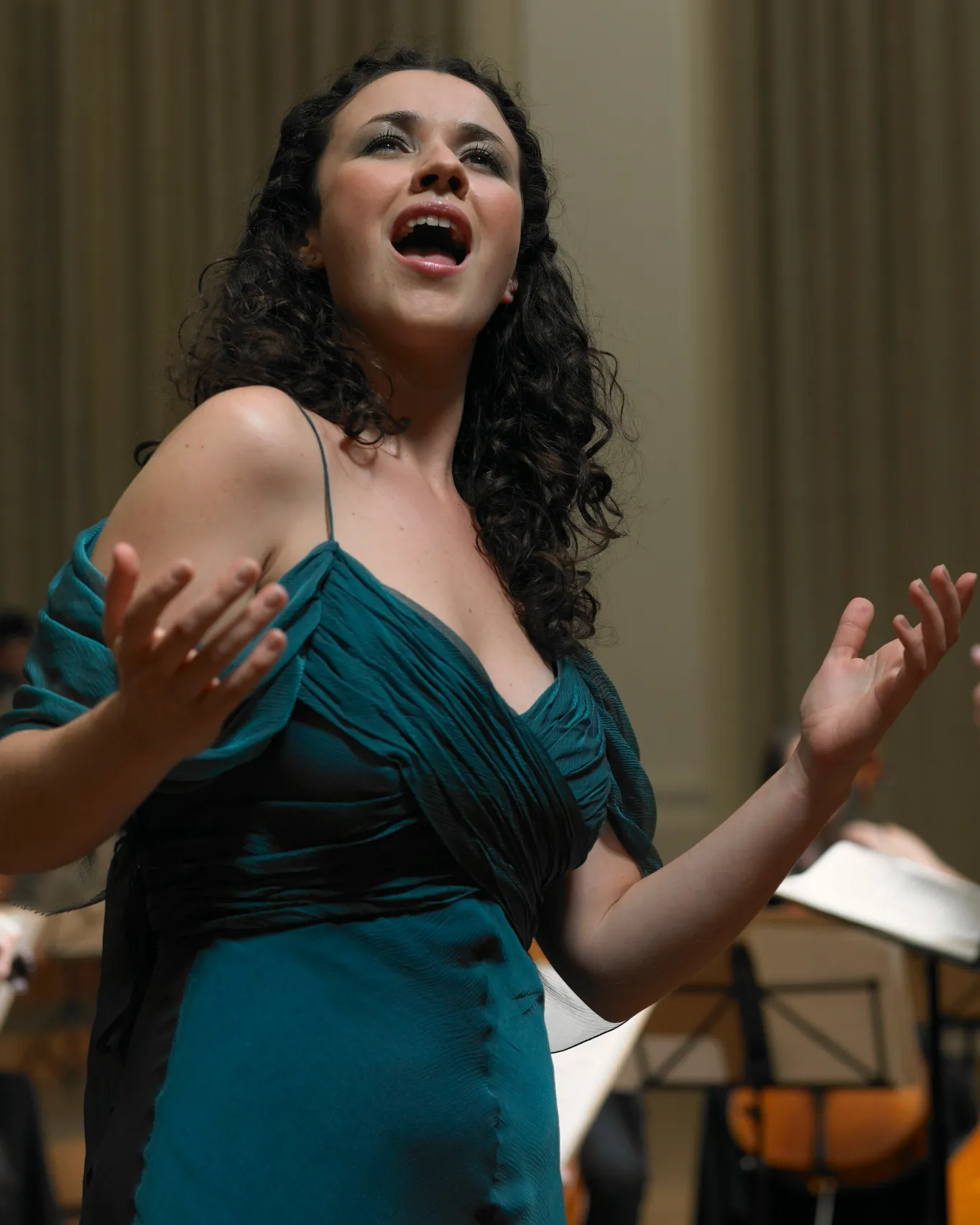
Historic theatres, palace halls and basilicas with acoustics designed centuries before amplification. A private recital or an attended rehearsal, in venues that rarely open outside performance nights.
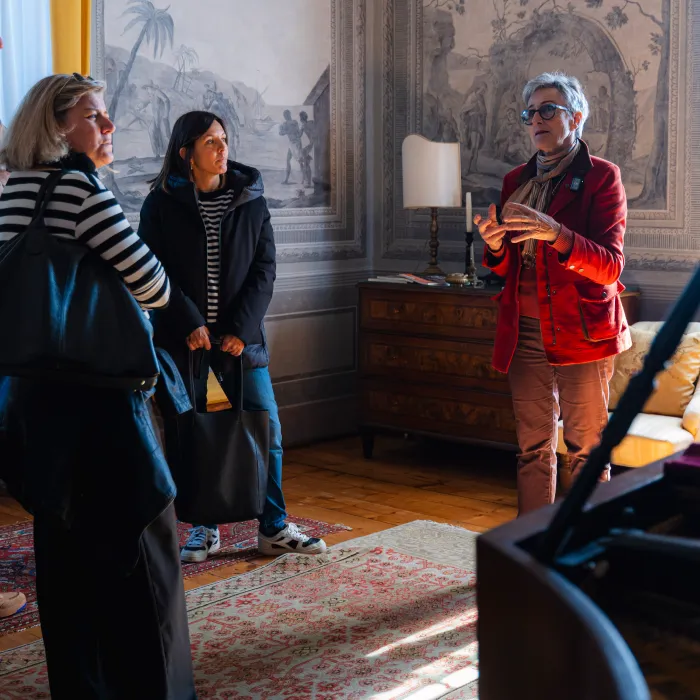
Frescoed rooms, private collections and archives that never entered a public catalogue. The host opens the door in person and tells the history of the house as a family story rather than a guided route.
 Splendido private tours